Which Laser or Device Is Right for Your Skin Goals in Columbus, Ohio?
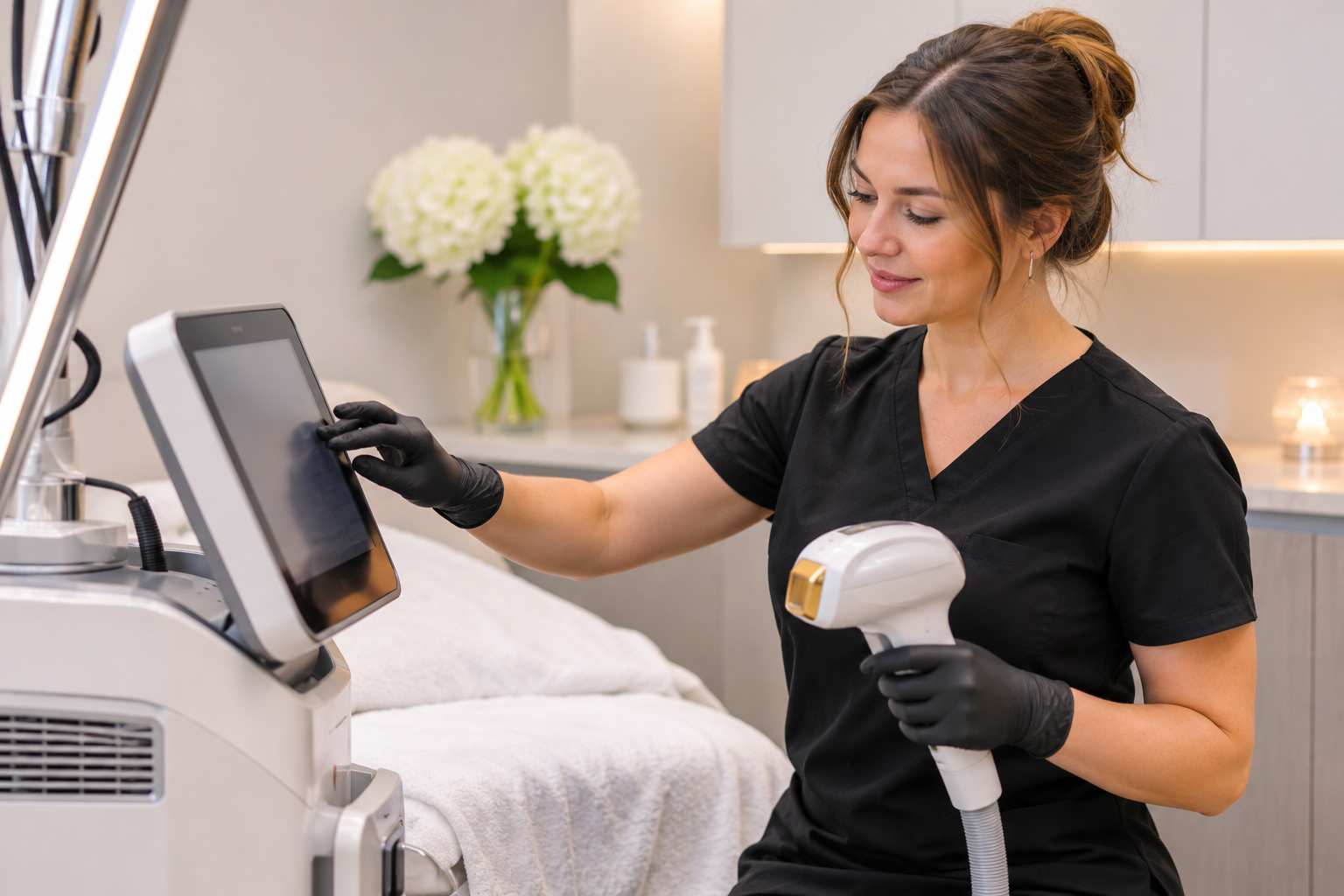
The right laser or device depends on your main concern, your skin tone, and how much downtime you can realistically take. Monarch Aesthetic Medicine in Columbus, Ohio offers fractional lasers, CO2 resurfacing, RF microneedling, standard microneedling, IPL, laser hair removal, body contouring, and low-level laser hair restoration. Each one targets a different layer of the skin or a different concern.
This guide breaks down what each technology does, who it tends to suit, and how to compare them without getting lost in wavelengths and brand names.
What Lasers and Devices Does Monarch Offer?
Monarch's Lasers and Devices page lists the following treatments, each with its own dedicated page.
- Fraxel Dual laser resurfacing: non-ablative fractional laser using 1550 nm and 1927 nm wavelengths
- HELIX and CoolPeel skin resurfacing: CO2 laser resurfacing at adjustable intensities
- RF microneedling with Virtue RF: microneedling combined with radiofrequency energy
- Microneedling with SkinPen: mechanical collagen induction
- Rejuv 2.0 IPL photofacial: intense pulsed light for discoloration and redness
- Laser hair removal: Lumenis LightSheer Duet and other technologies for long-term hair reduction
- CoolSculpting Elite body contouring: controlled cooling for localized fat
- Hair restoration with Sunetics: low-level laser therapy paired with PRP
How Do Fraxel and HELIX/CoolPeel Compare?
Fraxel Dual is non-ablative, while HELIX is a CO2 laser that combines ablative and non-ablative energy. In practical terms, Fraxel works beneath an intact skin surface, while CO2 resurfacing removes microscopic columns of tissue for more intensive renewal.
Fraxel Dual: Monarch lists fine lines, sun damage, acne scars, uneven texture, and unwanted pigmentation as common concerns. Treatment is usually a series of three to five sessions spaced about four to six weeks apart, with several days of redness, flushing, and flaking.
HELIX and CoolPeel: HELIX combines fractional ablative CO2 energy with non-ablative 1570 nm technology, and CoolPeel is described as a more superficial CO2 option for selected concerns. Monarch notes these may help with fine lines, wrinkles, uneven texture, sun damage, and certain acne scars. Recovery ranges from a few days of redness with lighter settings to longer healing for more aggressive treatment.
Both require diligent sun protection afterward. Laser resurfacing in deeper skin tones carries a higher risk of post-inflammatory hyperpigmentation, so a careful skin-type assessment matters.
What Is the Difference Between RF Microneedling and Standard Microneedling?
Standard microneedling creates controlled micro-channels to trigger collagen production, while RF microneedling adds radiofrequency heat to reach deeper layers. Both are different from lasers.
SkinPen microneedling: Monarch describes SkinPen as an FDA-cleared collagen induction treatment and lists facial wrinkles, certain acne scars, and uneven texture as concerns. A series of three to six sessions about one month apart is often recommended.
Virtue RF microneedling: Monarch notes it may suit people with uneven texture, enlarged pores, fine lines, acne scarring, or mild skin laxity. A series of three treatments about four weeks apart is typical, with collagen-related improvement developing over several months.
If firmness is a priority, RF microneedling may offer an advantage. If you want a gentler starting point with shorter recovery, SkinPen may be a better fit.
Is IPL a Laser, and What Does It Treat?
No, IPL is not a laser. Intense pulsed light uses a broad spectrum of light rather than a single wavelength, which makes it useful for treating surface discoloration and redness together.
Monarch's Rejuv 2.0 IPL photofacial targets sunspots, discoloration, uneven pigmentation, sun damage, visible redness, and certain superficial vessels. Treatments are usually monthly in a personalized series, with minimal downtime and temporary darkening of treated spots. Monarch notes IPL is generally best suited to lighter skin tones, and that darker or recently tanned skin carries a higher risk of burns or pigment changes. If you have melasma, it is important to discuss it at consultation, since melasma can behave differently from typical sun spots.
What About Laser Hair Removal and CoolSculpting Elite?
These devices address the body rather than skin texture, and both depend heavily on realistic expectations.
Laser hair removal: Monarch uses the Lumenis LightSheer Duet (805 nm diode) along with a 1064 nm option for darker skin tones. Most people need about six to eight sessions, and the result is long-term hair reduction, not guaranteed removal of every hair. Shaving between sessions is generally fine, while waxing and plucking should be avoided.
CoolSculpting Elite: This uses controlled cooling to reduce localized fat in areas such as the abdomen, flanks, and thighs. It is not a weight loss treatment and works best for people near their preferred weight. Results develop over about three to six months. Monarch's page also discloses paradoxical adipose hyperplasia, a rare side effect where treated fat enlarges instead of shrinking.
How Do Lasers and Devices Fit Different Lifestyles?
Downtime tolerance, budget, and long-term goals shape which device makes sense. Here is how those priorities often look in practice.
Gen Z and Younger Adults
Younger adults often focus on lingering acne scars, texture, and unwanted hair. SkinPen microneedling, Virtue RF, and laser hair removal are common starting points. Active, inflamed breakouts should be evaluated first, ideally by a dermatologist, since many treatments are timed for when acne is under control.
Busy and Stressed Working Professionals
If time off is limited, lower-downtime options such as IPL, SkinPen, or CoolPeel may be easier to schedule. Fraxel and HELIX deliver more dramatic renewal but require planning for visible redness and peeling. Many professionals schedule resurfacing before a long weekend or during a quieter season at work.
Luxury and High-End Clients
Clients seeking a comprehensive refresh often combine technologies in a staged plan, such as IPL for discoloration, RF microneedling for firmness, and resurfacing for texture, alongside injectables. Monarch also uses topical PRP/PRF after microneedling, RF microneedling, and laser procedures when appropriate.
Men
Men often seek laser hair removal for the back or chest, textural improvement for acne scarring, or CoolSculpting Elite for the flanks. Thicker skin and beard areas can affect device settings, so a tailored assessment is essential.
Women
Women frequently combine IPL for sun spots, Fraxel for texture and pigment, and RF microneedling for firmness as collagen naturally declines with age. Pregnancy and breastfeeding are important to disclose, as many elective laser and device treatments are postponed during these times.
When Is the Best Time of Year for Laser Treatments in Columbus?
Fall and winter are often ideal for resurfacing in Columbus, Ohio, because shorter days and cooler weather make it easier to avoid sun exposure during healing. That said, many devices can be performed year-round with strict sun protection. If you have a beach vacation or ski trip coming up, schedule resurfacing well ahead of time and ask your provider about safe timing.
How Should You Prepare for a Laser or Device Treatment?
Preparation starts with an honest consultation about your skin, history, and goals. Your provider will ask about medications, past reactions, cold sores, recent sun exposure, and any history of pigment changes after skin injuries, since these can affect which device and settings are appropriate.
In the weeks before treatment, it generally helps to:
- Avoid tanning, sunburn, and self-tanners on the treatment area
- Ask whether to pause retinoids or exfoliating products beforehand
- Shave, rather than wax or pluck, before laser hair removal sessions
- Plan your calendar around expected redness or peeling for resurfacing treatments
After treatment, Monarch's pages consistently emphasize protecting healing skin from the sun, avoiding picking or exfoliating, and limiting heat and strenuous activity early in recovery. Following these steps closely is one of the simplest ways to protect your results and lower the risk of complications.
Frequently Asked Questions About Lasers and Devices
Do laser treatments hurt?
Most treatments involve warmth, prickling, or a snapping sensation. Monarch typically applies topical numbing before Fraxel, RF microneedling, and SkinPen treatments, and before more aggressive CO2 resurfacing.
How many sessions will I need?
It depends on the device. Fraxel is often three to five sessions, Virtue RF typically three, SkinPen three to six, and laser hair removal about six to eight.
Are lasers safe for darker skin tones?
Some are, with the right device and settings. Monarch offers a 1064 nm laser for hair removal in darker skin tones, but IPL and some resurfacing settings carry higher pigment risks. A professional assessment is essential.
Can I combine lasers with injectables?
Yes, many plans combine both. Your provider will sequence treatments so each one is performed safely.
When will I see results?
Some improvements appear after initial healing, while collagen-related changes continue developing over weeks to months.
Choosing Light, Energy, and Expertise Wisely
The most advanced device in the room is only as good as the plan behind it. Matching the right technology to your specific concern, skin type, and calendar is what turns a single treatment into lasting, natural-looking improvement.
To find the right laser or device for your goals, contact Monarch Aesthetic Medicine in Columbus, Ohio, or call 614-545-2002 to book a consultation.